Brooklyn buys the star
Edwards is the centerpiece. Orlando takes two prospects and two 2027 picks, choosing breadth over certainty.
Trade Market & Preseason Edition · Independent league journalism
3 COMPLETED TRADES · 14 ASSETS · 4 FUTURE PICKS
The league's first official deals redraw three competitive windows before opening night. Anthony Edwards moves to Brooklyn, Indiana accelerates around Donovan Mitchell, and the Clippers begin converting veteran production into younger players and picks.

Edwards is the centerpiece. Orlando takes two prospects and two 2027 picks, choosing breadth over certainty.
Mitchell and Holiday add 73.78 historical FP/G. The price is Reaves, Williams and two future picks.
Haliburton's return, Anthony Edwards' shotmaking and a wave of rookie flashes begin to clarify roles.
The first week of trading did more than move players. It forced four franchises to declare what time it is.
The Fantrax transaction export confirms every asset below. Historical FP/G is included only as a picture of last season's production; future picks remain deliberately unpriced.
Memphis Grizzlies receives
Los Angeles Clippers receives
Brooklyn Nets receives
Orlando Magic receives
Indiana Pacers receives
Los Angeles Clippers receives
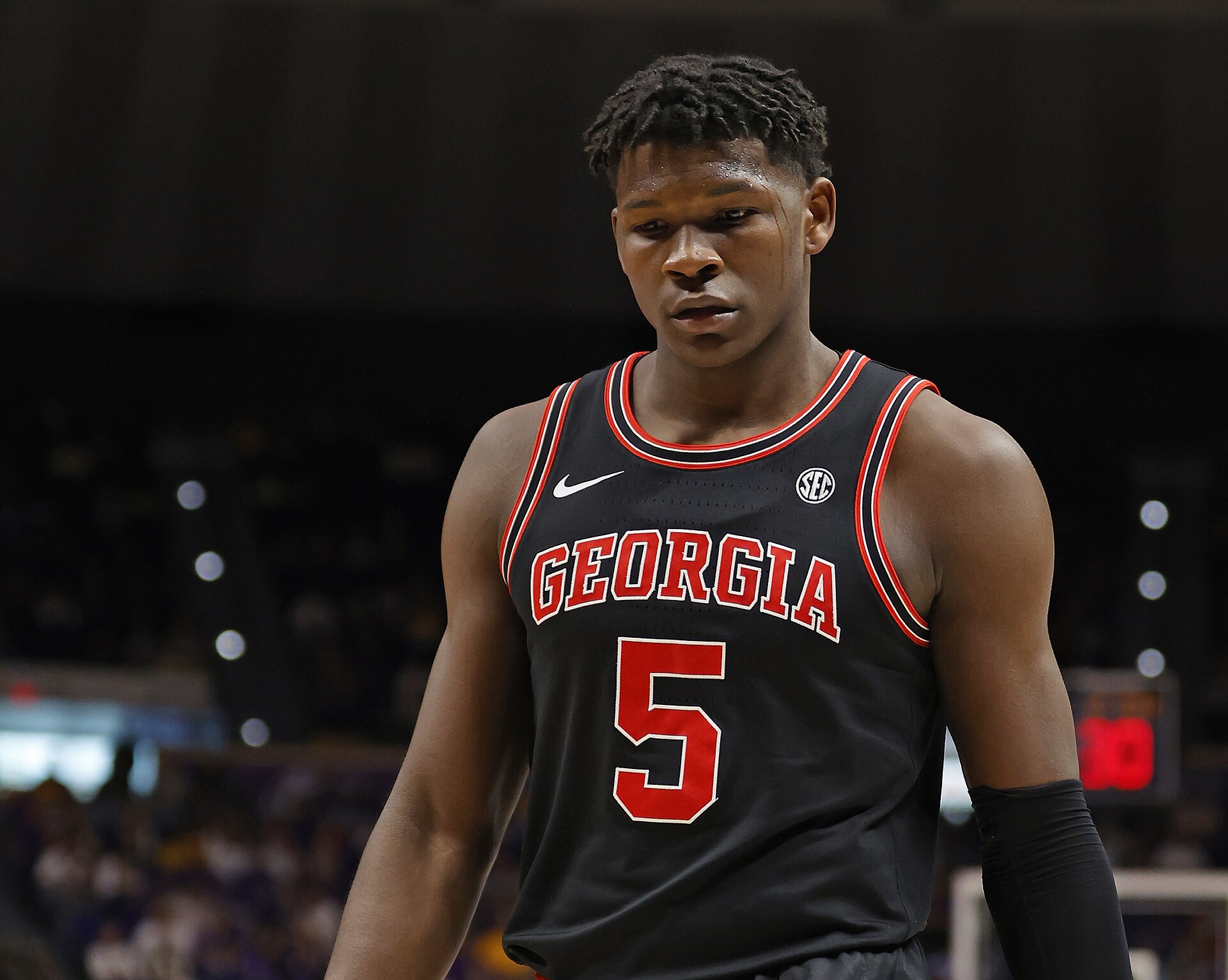
Anthony Edwards is the first established franchise player to change IDL teams. Brooklyn consolidated two prospects and two picks into one elite anchor; Orlando turned one star into four separate long-term bets.
The present-tense case
Edwards produced 42.39 FP/G in the supplied 2025–26 export. Brooklyn also receives Thomas Sorber, whose 5.11 FP/G came in a very small early sample. Together, the incoming players total 47.50 historical FP/G.
That is only 0.77 above Knueppel and Morez Johnson's combined 46.73. The point of the deal is therefore concentration: one proven high-volume star is easier to build around than two developing pieces.
Brooklyn's bet
Edwards changes the quality of Brooklyn's first lineup immediately and fits a long horizon at age 25. The bill is meaningful: Knueppel, Morez and both 2027 picks reduce the number of future paths available if the surrounding young core stalls.
Orlando's bet
Knueppel already carries a 27.78 historical rate; Morez adds a young frontcourt development path. The two picks restore flexibility. Orlando loses the safest asset in the deal, so its return now depends on development and future draft execution.
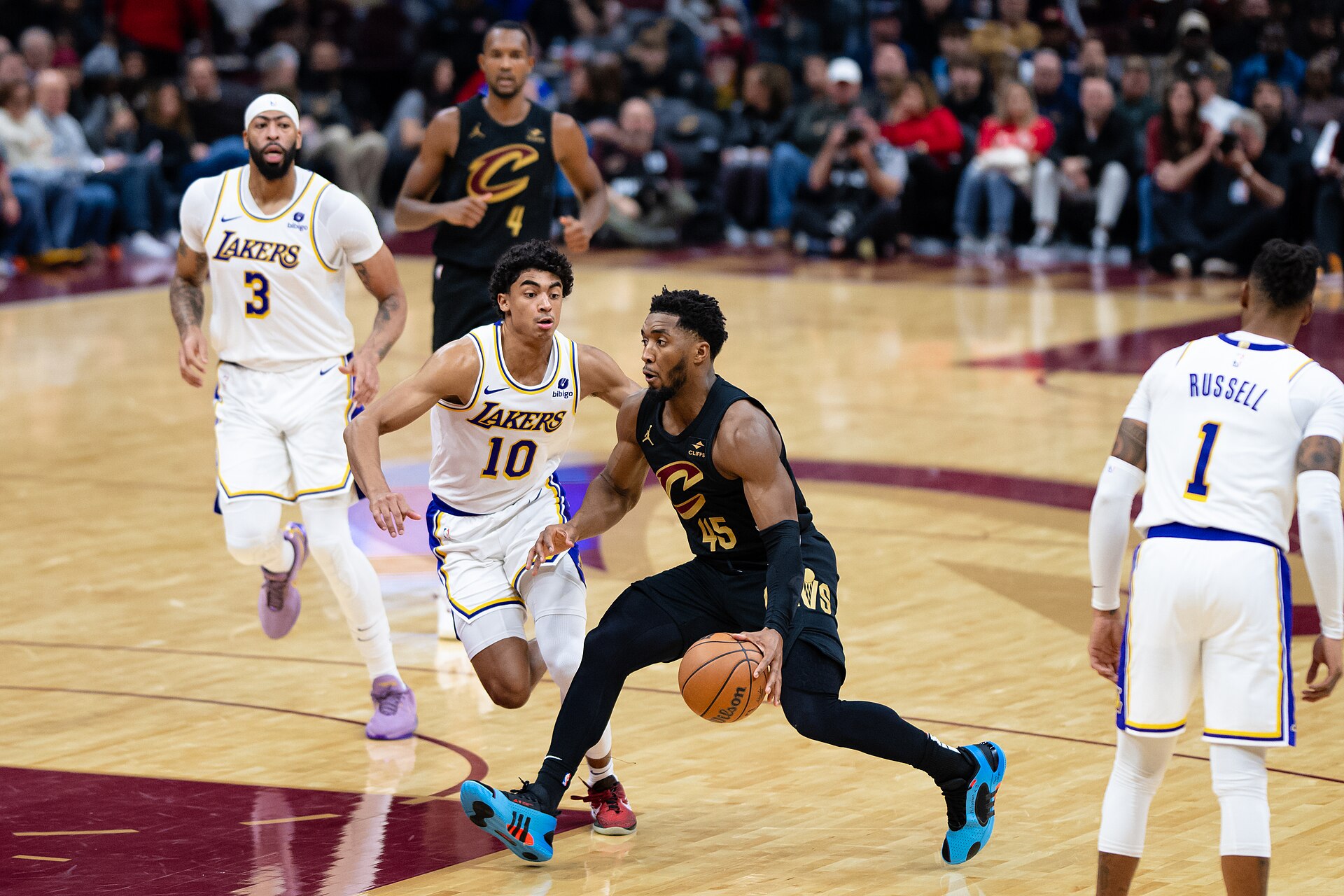
Donovan Mitchell and Jrue Holiday add 73.78 historical FP/G to a roster already built around Tyrese Haliburton. No opening-week trade made a clearer claim on the present.
What Indiana gained
Mitchell's 43.93 FP/G would have been Indiana's second-highest supplied rate behind Haliburton. Holiday adds 29.85 and defensive-event upside. The pair reduces Indiana's dependence on one organizer.
The 18.06 FP/G edge over the outgoing Reaves–Williams rates is real historical production. It is not a projection: Holiday is 36, and both incoming players narrow the timeline.
Indiana's risk
Reaves is 28 with a stable 33.93 rate, while the future picks were the roster's cleanest flexibility. Indiana has exchanged optionality for a stronger opening lineup.
Clippers' return
Reaves should remain immediately usable, while Robert Williams adds a high-value block and rebound profile when available. The picks matter because they keep the reset from being a simple talent downgrade.
Kyrie Irving joins a roster already carrying substantial health variance. Maxime Raynaud gives the Clippers a younger big and completes a week in which Los Angeles changed the shape of its entire portfolio.
Memphis receives Kyrie Irving
Irving's supplied 2025–26 rate is 14.09 points above Raynaud's. That would be a major upgrade if it reaches the lineup. Until his return is clear, Memphis has purchased ceiling rather than banked opening-week production.
The move matches the existing build: Anthony Davis, Joel Embiid and Kristaps Porzingis already offer championship-level peaks with concentrated medical risk.
The Clippers receive Maxime Raynaud
Raynaud is 23 and posted 25.59 FP/G in the supplied season. He is less proven than Irving, but his timeline now fits Reaves, Robert Williams, Keaton Wagler and the two incoming 2027 picks more cleanly.
Los Angeles, across both trades
The raw loss is 32.15 historical FP/G: Mitchell, Holiday and Irving leave; Reaves, Williams and Raynaud arrive. That is the cost of making the roster younger and recovering future assets. It also makes Los Angeles one of the league's hardest teams to judge before roles and health settle.
Eleven claims and three drops followed the draft. Most winning bids stayed at the one-dollar minimum, suggesting managers are still testing depth rather than chasing one obvious breakout.
| Team | Player | Bid |
|---|---|---|
| Atlanta Hawks | Landry Shamet | $5 |
| Detroit Pistons | Moritz Wagner | $1 |
| Detroit Pistons | Tyrese Proctor | $1 |
| Detroit Pistons | Henri Veesaar | $1 |
| Orlando Magic | Jabari Walker | $1 |
| Orlando Magic | Sion James | $1 |
| Los Angeles Lakers | Liam McNeeley | $1 |
| LA Clippers | Moussa Cisse | $1 |
| LA Clippers | Simone Fontecchio | $1 |
| Memphis Grizzlies | Tyus Jones | $1 |
| Memphis Grizzlies | Kyle Anderson | $1 |
Preseason box scores reward attention and punish certainty. The useful information is usually who starts, who handles the ball, who looks physically ready and which young players receive real rotation experiments.
Dylan Harper starting beside established guards matters more than one shooting percentage. It tells us the coaching staff is testing a path to heavy minutes.
Tyrese Haliburton logging 16 minutes after a long absence is actionable. A veteran sitting one exhibition game usually is not.
Assists, rebounds, steals and blocks translate more reliably than a single hot night. This league magnifies assists and defensive events.
Opposition quality, minutes and lineup combinations matter. A 20-point line against deep reserves cannot be read like a regular-season game.
What we can say
Haliburton moved, passed and protected the rim. Anthony Edwards created threes. Several rookies earned minutes with established players. Those are legitimate early signals.
What we cannot say
Minutes are restricted, rotations are experimental and stars often play one half. This edition treats every preseason line as evidence, never as a season projection.
Seven established players supplied useful early evidence. The lines below are conventional NBA box-score summaries, followed by their IDL meaning.
| Player · IDL team | Preseason line | Why it matters |
|---|---|---|
| Anthony EdwardsBrooklyn | 19 PTS · 4 3PM | Shot creation looked ready; his trade immediately changes Brooklyn's top line. |
| Tyrese HaliburtonIndiana | 7 PTS · 6 AST · 2 BLK · 16 MIN | The return itself is the headline. Assists and blocks fit this scoring system perfectly. |
| Deni AvdijaMiami | 23 PTS | A strong scoring night supports Miami's expectation of a stable multi-category role. |
| LaMelo BallCleveland | 14 PTS · 7 AST · 4 3PM | Creation and perimeter volume matter more than the final score. |
| Shai Gilgeous-AlexanderNew York | 17 PTS · 5 AST · 5-5 FG | Efficiency plus playmaking is the exact shape New York drafted first. |
| Giannis AntetokounmpoDallas | 9 PTS · 7 AST · 14 MIN | Seven assists in a short stint reinforce his enormous fantasy floor. |
| Luka DoncicHouston | 21 PTS · 3 AST · 2 STL | He generated points and high-value steals before halftime. |
Most important return
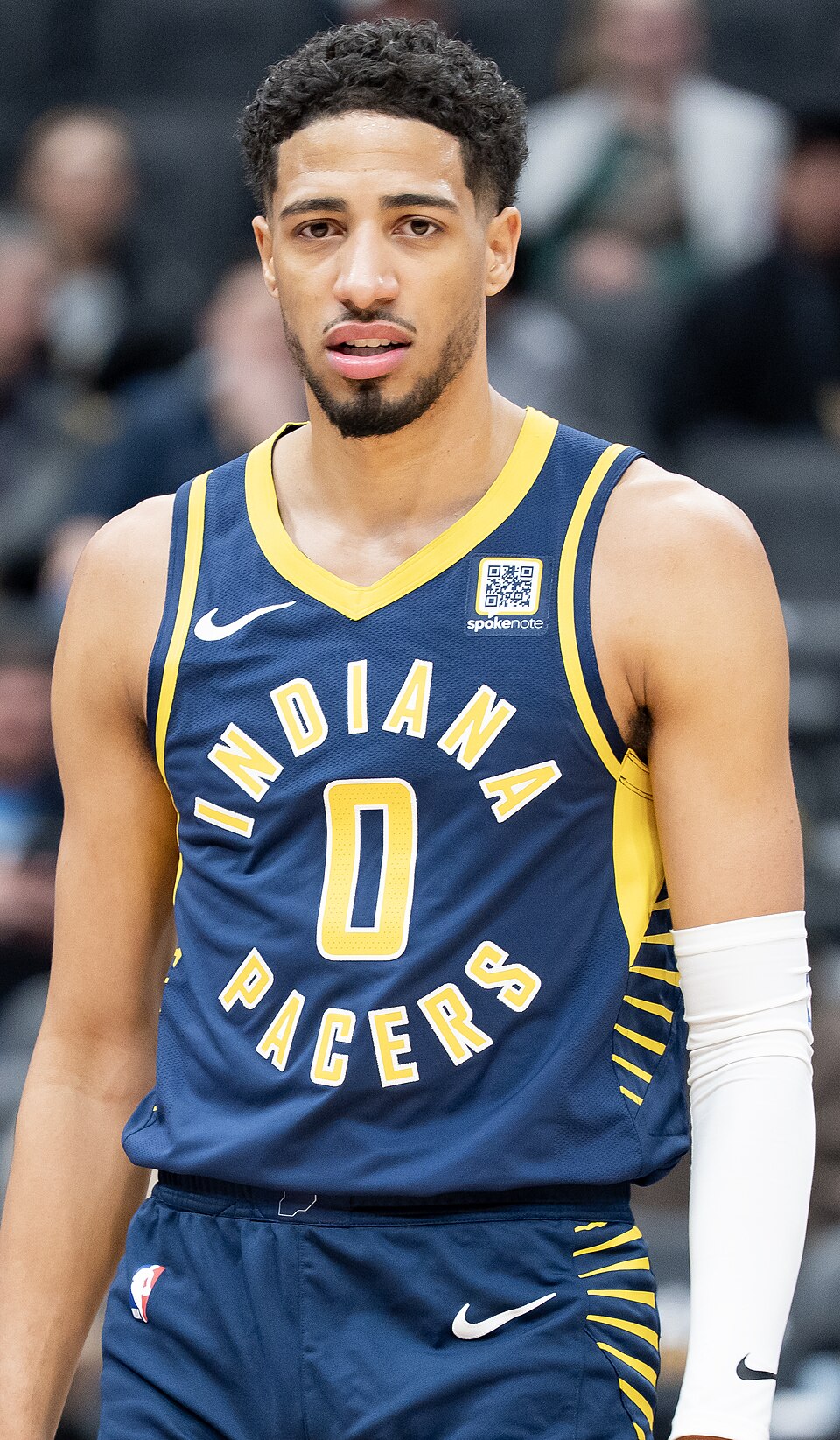
Indiana's new trade makes more sense because its original engine has returned. Six assists and two blocks in 16 minutes do not prove full-season durability, but they materially reduce the uncertainty that defined Indiana on draft night.
Best bridge to the league market
Nineteen points and four threes arrived the same week he changed IDL teams. The real-life role remains unchanged; what changed is who owns the production and how much Brooklyn paid to secure it.
Context: all lines come from official NBA Starting 5 reports. They are not converted into fantasy points because the short summaries do not always include every field-goal attempt, free-throw attempt or turnover required by the league formula.
The first preseason week rewarded players who did more than score. Passing, rebounding, steals and visible rotation trust matter most in this league's format.
Brooklyn
The all-around line is more encouraging than any one scoring burst.
Sacramento
Scoring, rebounding and perimeter range produced one of the week's broadest rookie lines.
LA Lakers
Seventeen points before halftime showed immediate on-ball confidence.
Golden State
Six-of-eight shooting plus three steals is the cleanest two-way rookie line.
Milwaukee
Perfect finishing is unlikely to repeat; size and touch deserve attention.
LA Clippers
A late go-ahead shot gave the Clippers' youth story an early highlight.
Milwaukee
A composed first preseason showing supports a patient roster spot.
Cleveland
Rebounding offers the most portable path to early fantasy usefulness.
Availability will decide more Week 1 matchups than preseason shooting. One major return produced real minutes; one useful Houston big is now on a short injury clock; several veteran situations still require patience.
The week's clearest development
Seven points, six assists and two blocks in 16 minutes made the stat line secondary to the event itself. Indiana can now evaluate its Mitchell–Haliburton pairing with both players available on a court.
The next checkpoint is workload progression. Preseason confirms participation; it does not guarantee a full opening-week schedule.
Houston
The official NBA update said Stewart would be reevaluated two weeks after the October 5 injury. He is depth rather than Houston's entire plan, but the timing reaches directly into the season opener.
LA Clippers
A live preseason shift is useful after a return-to-play offseason. Los Angeles still needs cumulative availability from Lillard, Williams and its reworked frontcourt.
Memphis
The trade raises Memphis' theoretical ceiling immediately. Its practical value begins only when Irving becomes an active lineup option.
Atlanta
Ten points, five assists and four rebounds in 18 minutes were enough to show the playmaking floor Atlanta expects. The eight free throws were the strongest readiness detail.
Brooklyn faces Orlando and Indiana faces the Clippers in the opening period. The schedule immediately turns both major deals into head-to-head tests, even if dynasty value will take years to settle.
Edwards gives Brooklyn the best current player in the matchup. Orlando has more future assets, but Knueppel and Morez must replace immediate star volume.
Mitchell and Holiday move directly across the matchup. Reaves and Williams keep Los Angeles competitive, while the future picks cannot score in Week 1.
Kyrie raises Memphis' ceiling only if active. The Lakers' young roster can exploit any week in which Memphis' veteran stars remain unavailable.
Houston remains the stronger present-tense roster, but Stewart's ankle removes one possible interior option. Atlanta's Shamet claim adds guard insurance, not a new centerpiece.
The market has moved from draft theory to lineup management. The next useful information will come from minutes, medical updates and the final fight for rotation roles.
Forecast: the first blockbusters exposed uneven benches. Contenders now have a reason to exchange surplus prospects or picks for stable active minutes.
Forecast: eleven claims averaged close to the minimum. Once roles become clearer, the first obvious 25-minute player should attract a more serious bid.
Flemings' two-way line, Stirtz's range and Mara's efficiency deserve another look. Repetition matters more than any single result.
Haliburton's workload and Mitchell's fit will shape both championship expectations and the value of the picks Indiana traded away.
Edwards solves the star problem. The next question is whether Brooklyn retained enough dependable production behind him after moving four assets.
Forecast: after moving three veterans and adding two picks, Los Angeles has created a clearer youth bridge but still holds several players on different timelines.
Every league transaction is traceable to the supplied exports. Every preseason fact is tied to official NBA reporting. Forecasts are identified as editorial judgment.
League evidence
The player export establishes current ownership and supplied 2025–26 fantasy rates. The trade export confirms 14 moved assets across three completed deals. The claims-and-drops export confirms 11 claims and three drops through October 10.
The historical FP/G comparisons exclude future picks and do not adjust for current availability. They are descriptive, not trade grades. Brooklyn is evaluated under the same method and language as every other team.
The league scoring formula is: PTS + REB + 2 AST + 4 STL + 4 BLK + 3PTM + 2 FGM − FGA + FTM − FTA − 2 TO.
Primary public reporting
Photography: Anthony Edwards by CCS Pictures (CC BY-SA 2.0); Donovan Mitchell by Erik Drost (CC BY 2.0); Tyrese Haliburton by Chensiyuan (CC BY-SA 4.0). Wikimedia Commons source pages and licenses are linked in the web edition.
Cover: original AI-generated editorial illustration created for this issue; it depicts no real person, team mark or branded uniform.